Fortune Primero Seven Gallery: how to use visuals without over-trusting renders.
What gallery images can and cannot prove
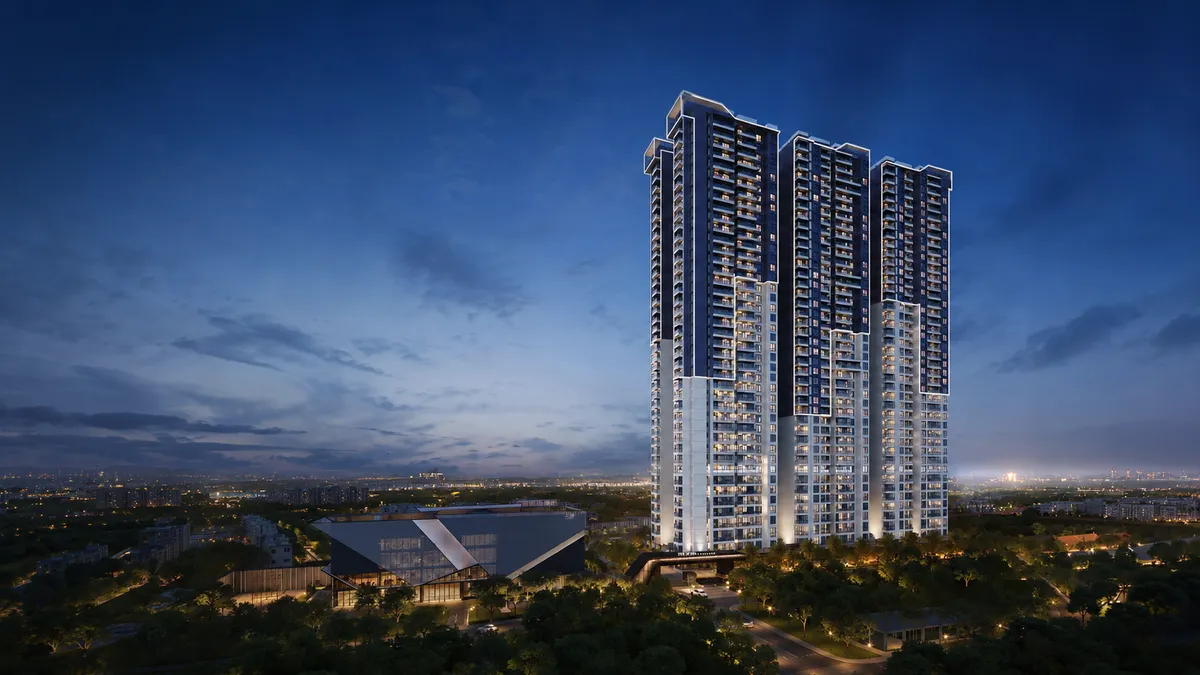
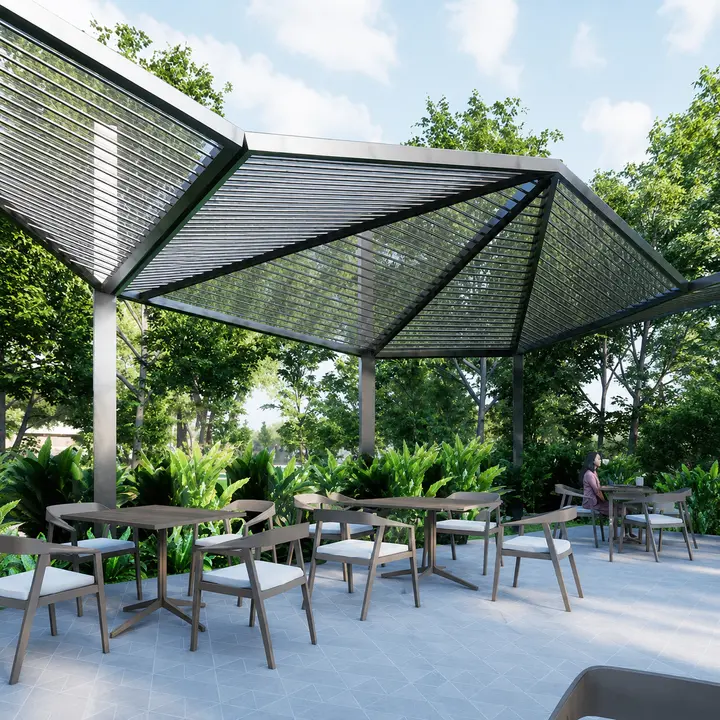
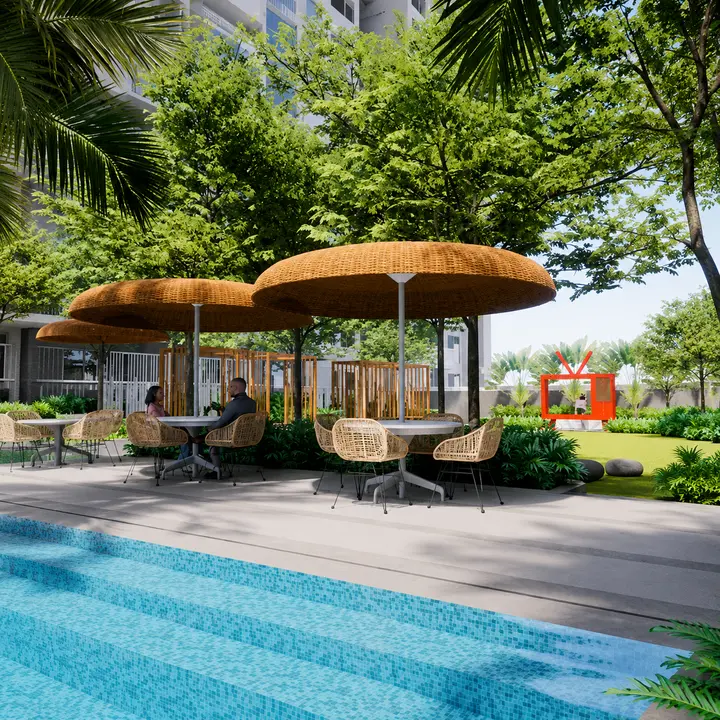
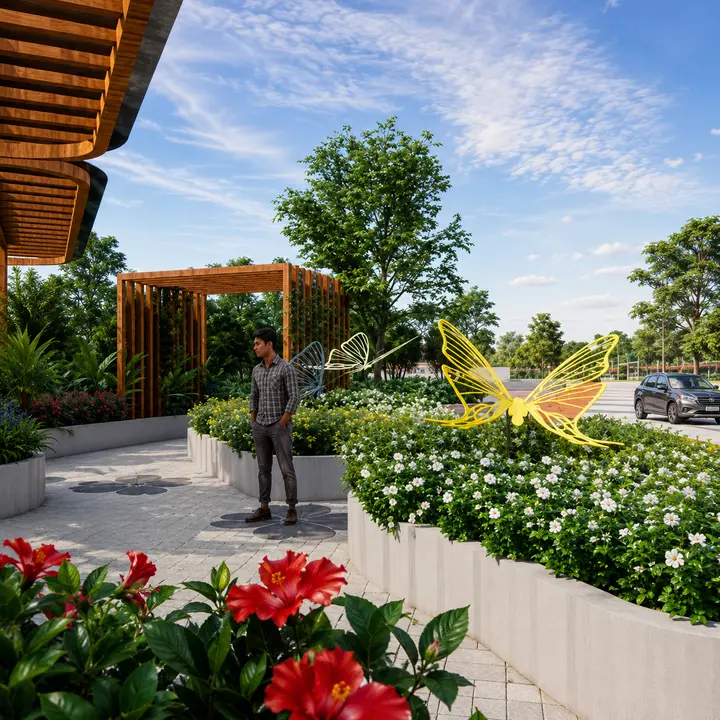
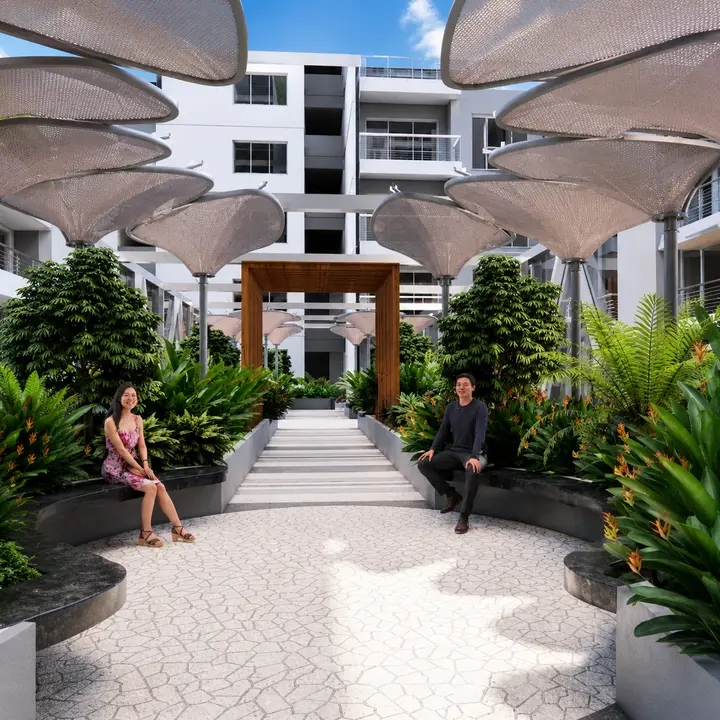
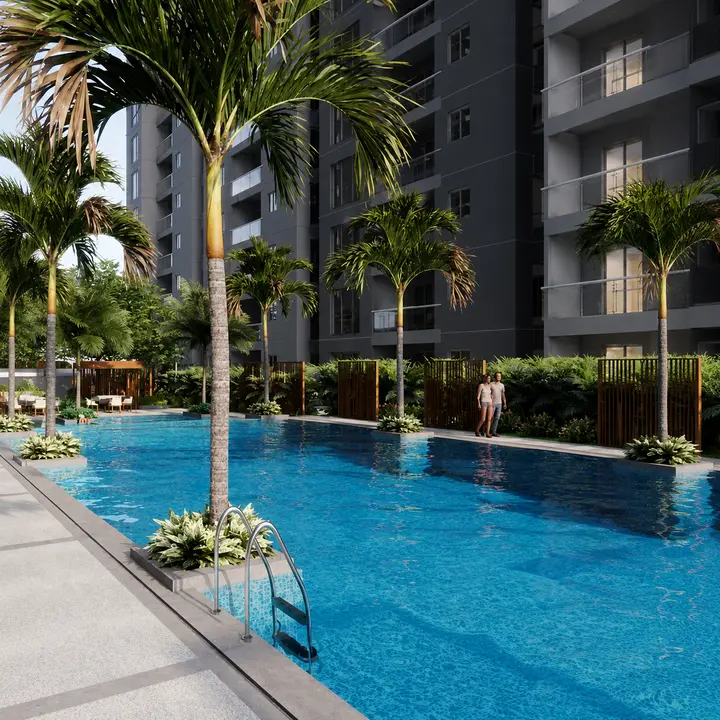
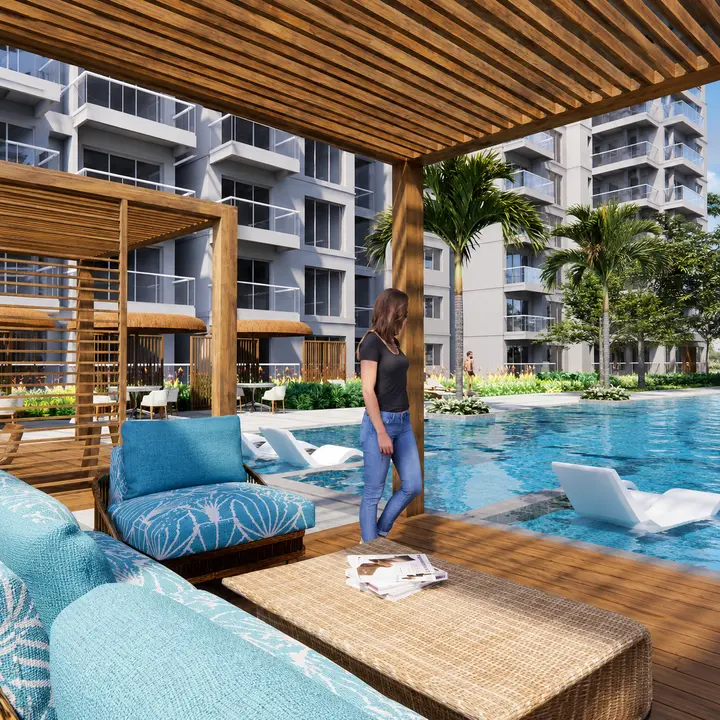
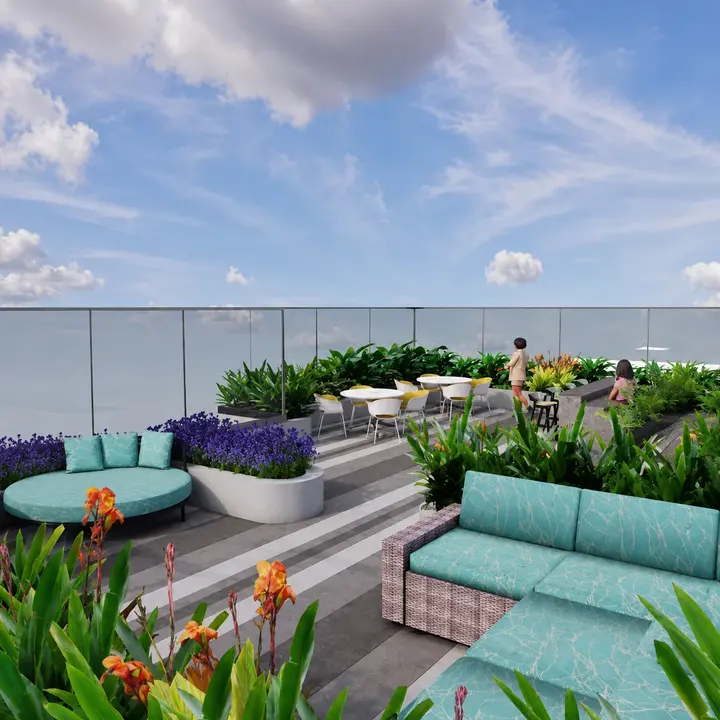
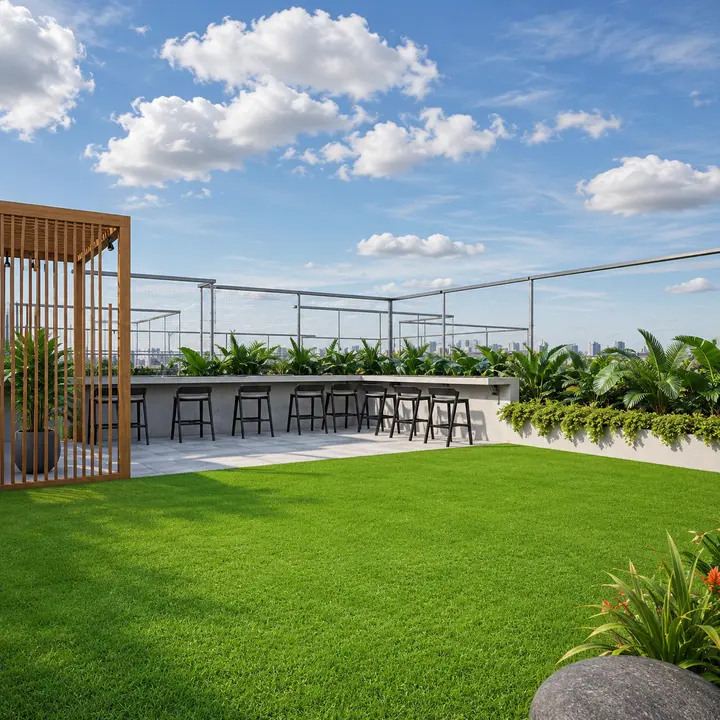
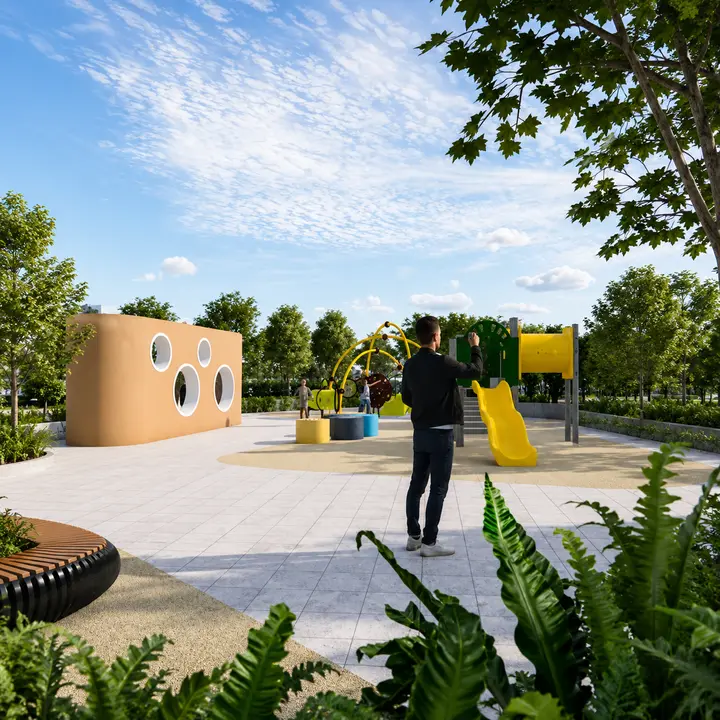
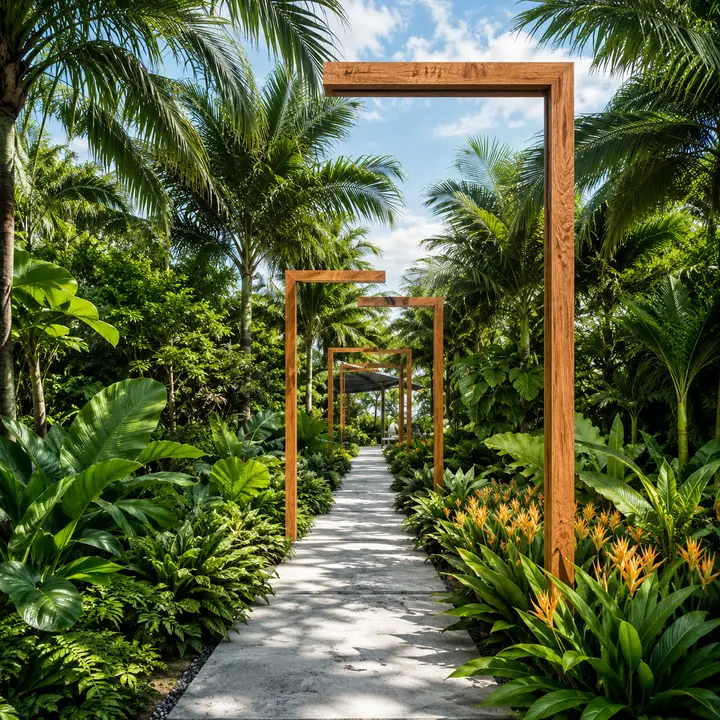
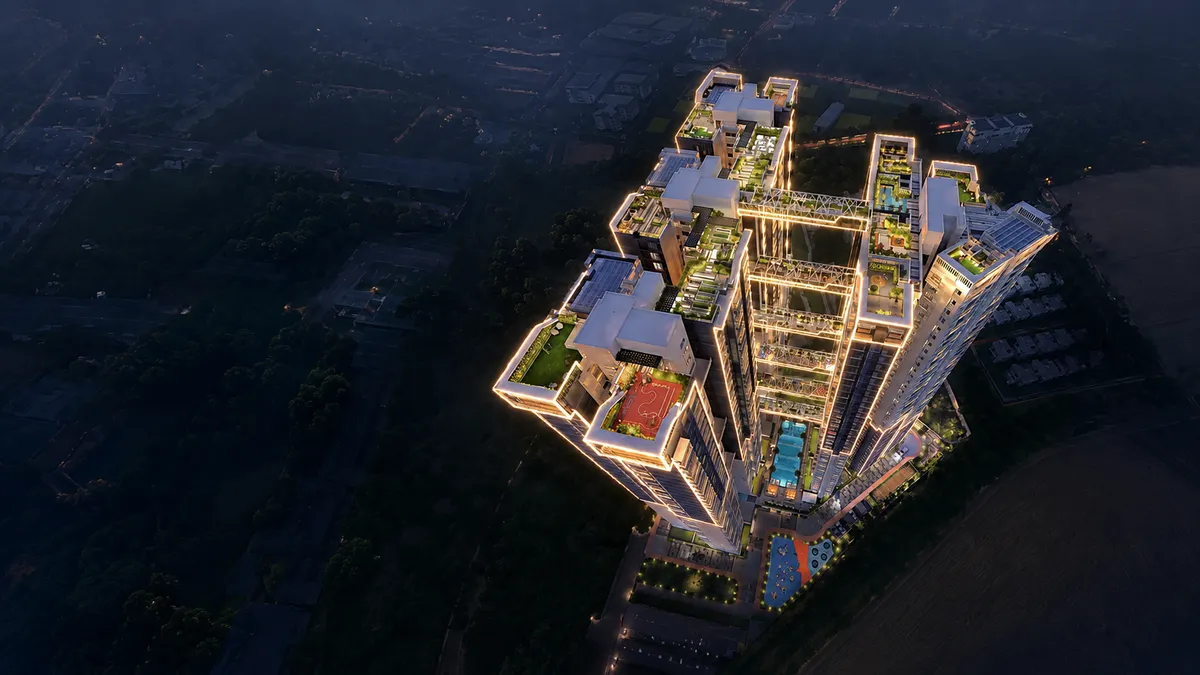
The gallery is useful because it shows the intended mood of Fortune Primero Seven Sarjapur: tower elevation, lobby areas, pool zones, landscaped spaces, play areas, walking paths, terrace gardens, cafe or cafeteria-style community spaces, and recreational settings. These images help buyers understand the product ambition, but they do not prove final materials, dimensions, delivery timing, or maintenance quality.
Renders and campaign images are often produced before construction is complete, so buyers should treat them as design intent. The right question is not whether the render looks attractive; it is whether the feature appears in the latest brochure, amenity schedule, sanction-linked drawings, or agreement annexure. If a visual matters to the decision, ask for the document that identifies it.
The gallery should be read beside the master-plan and amenities pages. A pool render means more when the buyer knows where the pool sits, how residents reach it, whether it opens with the first phase, and how it is maintained. A landscape render means more when the buyer can see how walking paths, tower entries, and service movement are separated.
Tower elevation and arrival experience
The elevation visuals communicate a high-rise identity, which is consistent with the four-tower and 41-floor positioning repeated in public sources. Buyers should use the images to form questions about facade materials, balcony railing treatment, window specifications, maintenance access, and whether the elevation differs by tower. A premium elevation can lose value if the specification behind it is vague.
Arrival visuals such as entrance, front lobby, and cafe areas should be checked against the actual handover scope. Ask whether the lobby design is tower-specific or shared, whether air-conditioning is included, how visitor movement is controlled, and what finishes are promised in writing. In a large community, the arrival sequence is not only decorative; it affects security, guest experience, and daily resident movement.
If the gallery shows large common areas, ask how those spaces are distributed across residents. The 779-unit count means amenity capacity and crowding are practical questions. A beautiful image can represent one part of the clubhouse while the buyer still needs to understand booking rules, operating hours, guest access, and maintenance cost.
Amenity visuals and marketed claims
The project is marketed with a strong amenity story, including sky bridges, themed gardens, a large clubhouse, and many lifestyle features. Gallery images can support that story, but the page deliberately avoids presenting every promotional count as a settled fact. The safer approach is to treat visible amenities as indicative until matched with the latest brochure and agreement scope.
A pool, jogging track, play area, terrace garden, garden, or sitout image should prompt specific questions. Is the amenity exclusive to residents? Does it open at possession or in a later phase? Is there a charge for use? How is safety handled for children and seniors? How is noise controlled for apartments facing that zone? These questions matter more than the render angle.
The same logic applies to sky-bridge or rooftop features if they appear in campaign material. Buyers should confirm access rules, weather protection, safety permissions, resident capacity, and maintenance responsibility. A dramatic design feature can be valuable, but only if it remains usable and well-managed after the association takes over.
Using the gallery during a site visit
Before visiting, open the gallery and list the features that actually matter to the household. A buyer with children may care most about play areas, walking paths, pool safety, and school commute. A buyer planning a long hold may focus on lobby durability, facade maintenance, lift planning, and landscaping quality. A buyer looking at rental demand may focus on amenities that tenants use frequently.
During the visit, compare each image with the current construction stage. Ask what is already built, what is still a render, and what belongs to a future phase. Also ask whether the visual is from this specific project or an indicative design representation. That question is fair because buyers should not rely on visuals that are not tied to the actual delivery scope.
After the visit, keep the gallery as a reference checklist and request written answers for any mismatch. The strongest gallery page is not one that promises everything; it is one that helps buyers turn attractive images into verifiable questions before they commit money.