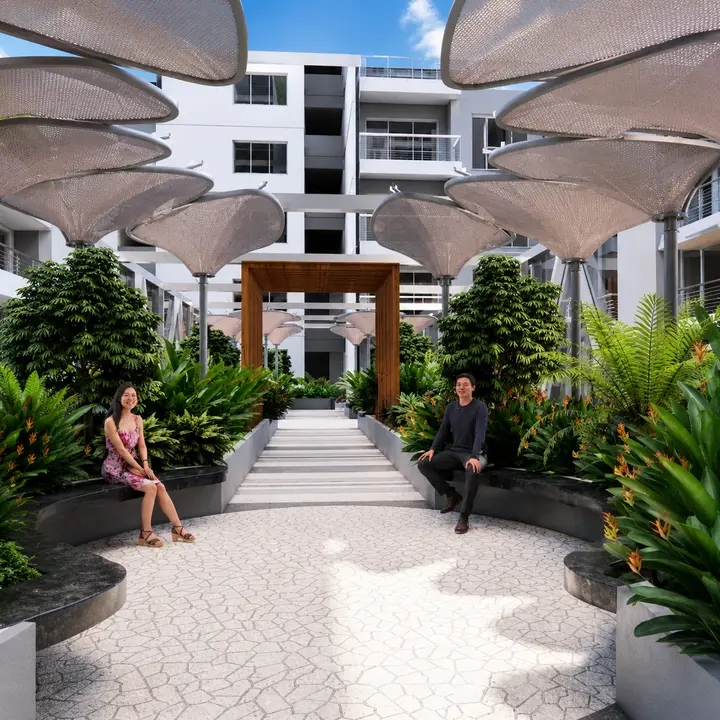
Fortune Primero Seven Sarjapur Price: public range and cost-sheet checks.
Pricing

Fortune Primero Seven Sarjapur Price: public range and cost-sheet checks.

Public references currently place Fortune Seven Sarjapur between about ₹95.23 L and ₹1.68 Cr across 2, 3 and 4 BHK apartments. Treat this as guidance until you receive the current cost sheet for a specific unit, tower, floor and view. For related details, also review the pricing and contact before finalizing next steps.

Current Public Bands

Fortune Primero Seven Pricing: apartment-wise public guidance.

The figures below summarize public listing bands. They do not replace a signed cost sheet and may exclude maintenance, floor rise, GST, stamp duty, registration, parking or preferred-location charges.

Stay on Pricing Request Cost Sheet
ConfigurationSaleable AreaPublic Price RangeStatusBuyer Note
2 BHK1179 - 1199 sq ft₹95.23 L - ₹96.83 LListedEntry apartment band
3 BHK1382 - 1839 sq ft₹1.12 Cr - ₹1.49 CrListedWidest size spread
4 BHK1912 - 2085 sq ft₹1.54 Cr - ₹1.68 CrPremiumLargest homes

Final payable cost can include maintenance, floor rise, GST, stamp duty, registration, parking and preferred-view charges.

Floor Rise

Ask how premiums change by tower, floor and view.

Taxes and Registration

GST, stamp duty and registration must be calculated separately.

Maintenance

Large amenity packages can affect monthly outgo after handover.

Pricing Guide

Fortune Primero Seven Price: public bands, exclusions and cost-sheet discipline.

Public price range and what it means

The public price range used on this site is ₹95.23 L to ₹1.68 Cr across the 2, 3 and 4 BHK apartment mix. This is enough for shortlist filtering, but it is not enough for a booking decision. A buyer needs the current cost sheet for a specific apartment, because the all-in price depends on tower, floor, facing, view, parking treatment, taxes, maintenance deposit, and any preferred-location charge.

The 2 BHK range around ₹95.23 L to ₹96.83 L places the entry format near the sub-₹1 Cr public band, but that should not be read as the final cheque amount. GST, stamp duty, registration, maintenance, and floor-related charges can push the payable total higher. The entry ticket is useful, but the final affordability decision needs the complete breakup.

The 3 BHK and 4 BHK bands need even more careful comparison. A compact 3 BHK may be a budget-conscious upgrade, while the larger 3 BHK and 4 BHK options can move into a different monthly EMI and maintenance bracket. Buyers should compare usable area, not only configuration names, before deciding whether the extra cost solves a real household need.

Cost sheet items to verify

The price number should be treated as the start of a conversation, not the final amount a household will pay. Ask for the current cost sheet with unit number, tower, floor, carpet area, saleable area, base price, floor-rise charge, view or preferred-location premium, parking treatment, maintenance deposit, GST, stamp duty, registration, and any club or infrastructure charge shown separately. That list makes comparison cleaner than looking only at a headline range.

Also ask whether the quoted number is launch pricing, a limited-period campaign price, a tower-specific price, or a unit-specific price. If the price is tied to a payment plan, ask how the amount changes under construction-linked, down-payment, or bank-subvention options if those are offered. A lower headline number can become less attractive if payment timing or exclusions are unfavourable.

Parking needs written clarity. Some projects include one parking bay in the agreement price, while others charge separately or allocate parking later. In a high-rise community with 779 homes, parking location and allocation method can affect daily convenience. It should be confirmed before the buyer compares two units with similar base prices.

Comparing unit value

A buyer should calculate price per sq ft only after confirming what area basis is being used. Saleable area, carpet area, balcony area, and common-area loading can produce very different impressions. The cleanest comparison is to ask for carpet area and total payable amount, then compare the effective cost with similar apartments in the same Sarjapur and Billapura-side search.

Floor-rise charges can be rational if the buyer values light, view, and distance from ground-level noise, but they should be evaluated against daily lift wait, emergency comfort, and final EMI. A higher floor may also affect maintenance perception and resale buyer preference. The price page therefore treats floor as a decision variable, not just a premium line item.

Preferred view charges need the same discipline. If the premium is for a garden, clubhouse, pool, or open-side view, the buyer should inspect the master plan and ask whether the view can change because of future phases, nearby development, or commercial elements. A view premium should be paid only when the buyer understands what is protected and what is simply expected.

Payment timing and risk

Because possession guidance is March 2030, buyers should evaluate the holding period carefully. The payment schedule, construction progress, interest during construction, rent paid elsewhere, and opportunity cost of capital all affect affordability. A buyer who can wait may value the under-construction entry price; a buyer who needs near-term occupancy should compare the project with ready or closer-to-possession alternatives.

Loan approval should be checked against the exact unit and project stage. Banks may evaluate under-construction projects differently based on approvals, developer tie-ups, buyer profile, and payment milestones. Do not assume that a public price band automatically translates into a sanctioned loan amount. Ask the sales desk and bank for written numbers.

The document pack matters because most of the project story depends on written commitments. The RERA number is useful, but a buyer should still compare the RERA certificate, sanctioned drawings, agreement draft, payment schedule, possession clause, carpet-area statement, latest brochure, amenity annexure, and tower-wise construction status. If any sales statement is important to the decision, it should appear in a document that can be retained.

Cost Control

Fortune Primero Seven Price: affordability checks beyond the headline range.

EMI and holding-period planning

A buyer should model affordability through the whole construction period, not only through the booking amount. For a March 2030 possession target, the household may carry rent, pre-EMI, staged payments, and other savings goals at the same time. The public price range is only the first input in that model.

Ask the bank to calculate possible EMI or pre-EMI under the payment schedule being offered. Construction-linked payment can reduce early outflow compared with a heavy upfront plan, but it may also depend on milestone timing. A buyer should understand how each demand notice affects monthly cash flow.

If the project is being considered as an investment, include interest during construction and the time until rental income begins. Appreciation assumptions should not be used to hide cash-flow stress. A patient investment can still be a poor fit if the payment journey is uncomfortable.

Comparing configurations by total cost

The 2 BHK, compact 3 BHK, large 3 BHK, and 4 BHK options should be compared by total payable amount and monthly ownership cost. A larger apartment may look better on price per sq ft but still create a higher EMI, higher maintenance, and higher registration cost. A smaller apartment may be easier to hold but less flexible for long-term family use.

Do not compare configuration names without area and tower context. A compact 3 BHK and a large 3 BHK can serve different buyer groups. A 4 BHK may be attractive for space but should be checked against the buyer's actual need for the fourth room. The price page should help buyers connect money to use, not only to size.

If two units are close in price, compare facing, floor, balcony usability, distance from lift, view, noise exposure, and tower position. The better value may not be the cheaper unit; it may be the one that solves daily-use needs with fewer compromises.

Negotiation and written confirmation

Launch-stage pricing may include offers, limited-period terms, or inventory-specific adjustments. Buyers should ask whether any quoted discount affects payment schedule, cancellation terms, included parking, or future escalation. A discount is useful only when the final written cost sheet remains clear.

Every price conversation should end with a dated cost sheet. The sheet should carry the project name, apartment number, tower, floor, configuration, area, base price, add-ons, taxes, registration estimate, and payment milestones. If a number is shared only verbally or in a message without breakup, treat it as preliminary.

Before booking, compare the cost sheet with the agreement draft. The price, area, possession language, and promised inclusions should align. Any mismatch should be resolved before payment because correcting it later can be harder.

Price Closeout

Fortune Primero Seven Price: final affordability checks.

Do the full-cost calculation

Before comparing this project with another, calculate the same cost basket for both. Include base price, floor rise, view premium, parking, GST, stamp duty, registration, maintenance deposit, legal charges, and any club or infrastructure line item. A comparison is weak if one project is measured by base price and another by all-in cost.

Ask for a written validity date on the cost sheet. Launch-stage prices can change, and a buyer should know how long the quoted amount is protected. If a payment is required to hold the unit, ask for the cancellation and refund terms before transferring money.

For loan planning, check whether the bank recognizes the same cost components that the developer is charging. Some charges may need to be paid from savings even when the main apartment cost is loan-funded.

The right price decision is the one that remains comfortable after exclusions are added. If the project only fits budget before taxes and charges, it may not actually fit.

Due-diligence references

Maps, regulators, and corridor context.

Before paying, cross-check the cost sheet with the enquiry desk and verify project records through the project map and the Karnataka RERA portal.